
State Tax Revenue Departments Move Faster Than the IRS: Here's Why
Resolving your IRS debt does NOT touch your state tax debt. State revenue departments run tighter deadlines, harsher garnishment limits, and can revoke professional licenses.

Katherine M. Johnson, CPA, CTRS
Lead Tax Resolution CPA
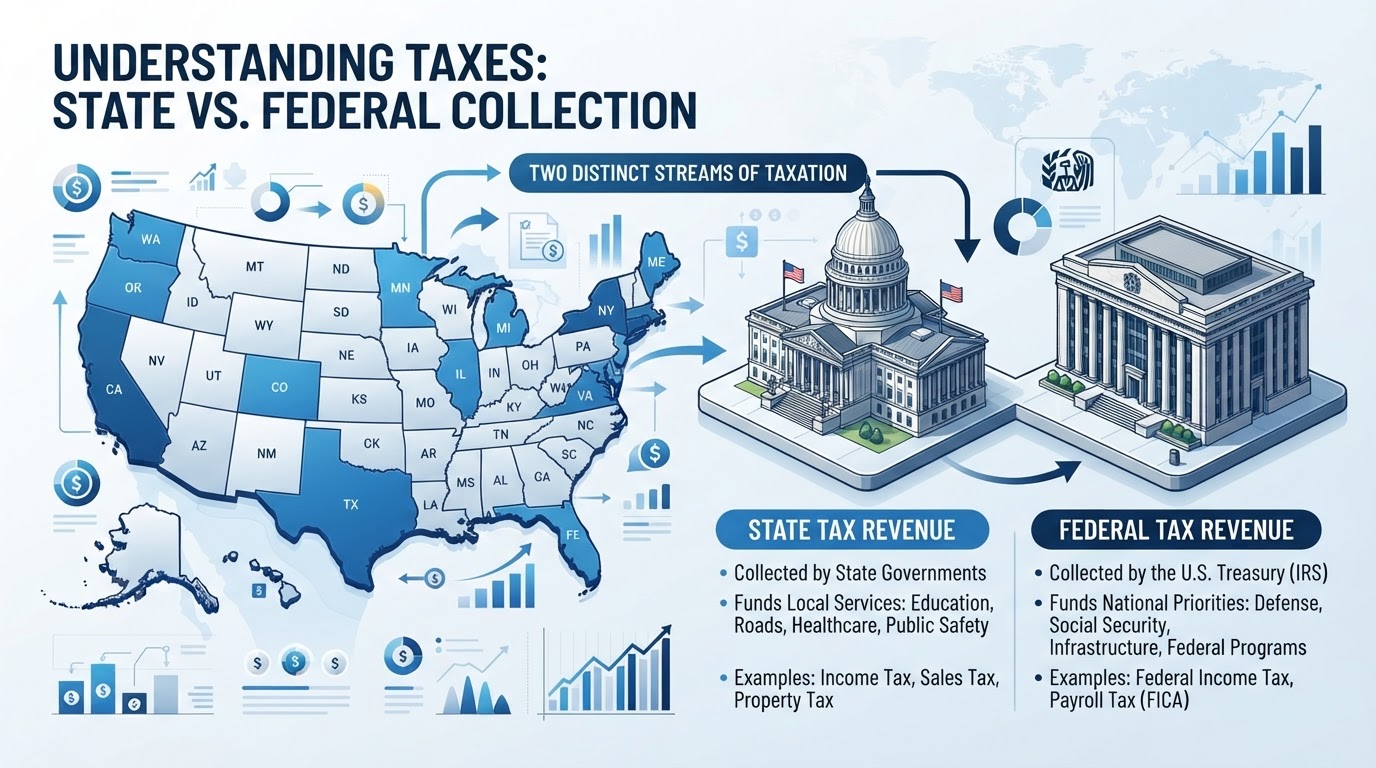
State tax resolution requires separate negotiations from federal tax debt. State revenue departments move faster than the IRS, can seize bank accounts with shorter notice, garnish a higher percentage of wages, and suspend professional credentials or driver's licenses.
A major trap for taxpayers owing back taxes is assuming that settling their IRS debt resolves their state taxes automatically. State revenue departments (such as the Kentucky Department of Revenue) are entirely independent agencies with separate laws, shorter notice cycles, and aggressive enforcement tools that exceed federal powers.
# How State Tax Collection Powers Outpace the IRS
1. Shorter Escalation Timelines: While the IRS sends multiple warning notices over several months before levying, state revenue agencies can issue bank levies within 30 days of assessment.
2. Professional License Revocation: States routinely notify licensing boards to suspend contractor licenses, real estate licenses, medical credentials, or driver's licenses for unpaid state back taxes.
3. Higher Garnishment Percentages: Many state tax laws permit 50% or greater wage garnishments compared to standard credit limits.
Frequently Asked Questions (FAQ)
Q: Does an accepted IRS Offer in Compromise settle state tax debts too?
No. Federal IRS settlements have zero legal effect on state tax liabilities. A separate state offer in compromise or payment plan must be negotiated.
Katherine M. Johnson, CPA, CTRS
Katherine M. Johnson is a licensed CPA with over 30 years of experience and a Certified Tax Resolution Specialist (CTRS). She personally handles every case — representing individuals and businesses before the IRS and state revenue departments nationwide.
Related Guides & Articles
Penalty Abatement: Reduce or Remove IRS Tax Penalties Legally
IRS penalties can quickly double or triple your tax bill. Learn how First-Time Abatement and Reasonable Cause relief allow taxpayers to legally reduce or eliminate IRS tax penalties.
Payroll Tax Debt & Trust Fund Recovery Penalty: Protecting Small Business Owners
Unpaid 941 payroll taxes are considered stolen trust funds by the IRS. Learn how the Trust Fund Recovery Penalty (TFRP) can reach owners personally.
Holding an IRS LT11 or Letter 1058? The 30-Day Clock You Can't Afford to Ignore
The LT11 Notice of Intent to Levy is the single most urgent letter in the IRS collection sequence. Here is what it means, what happens at day 31, and how to stop a garnishment before it starts.